 Paper Fish
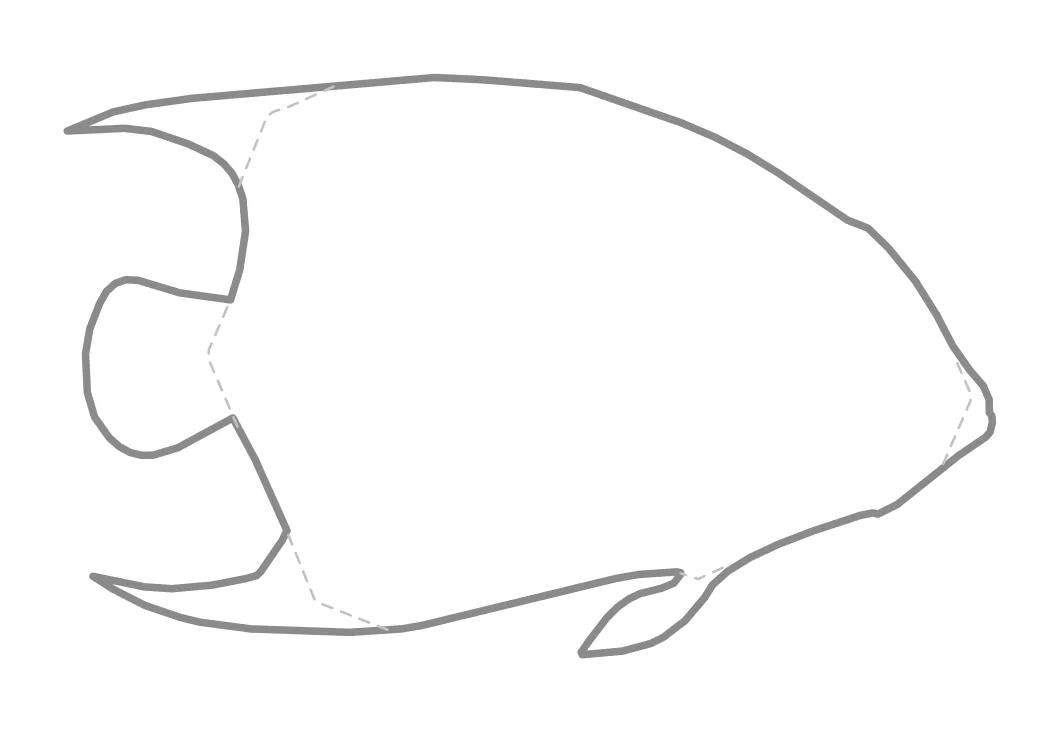
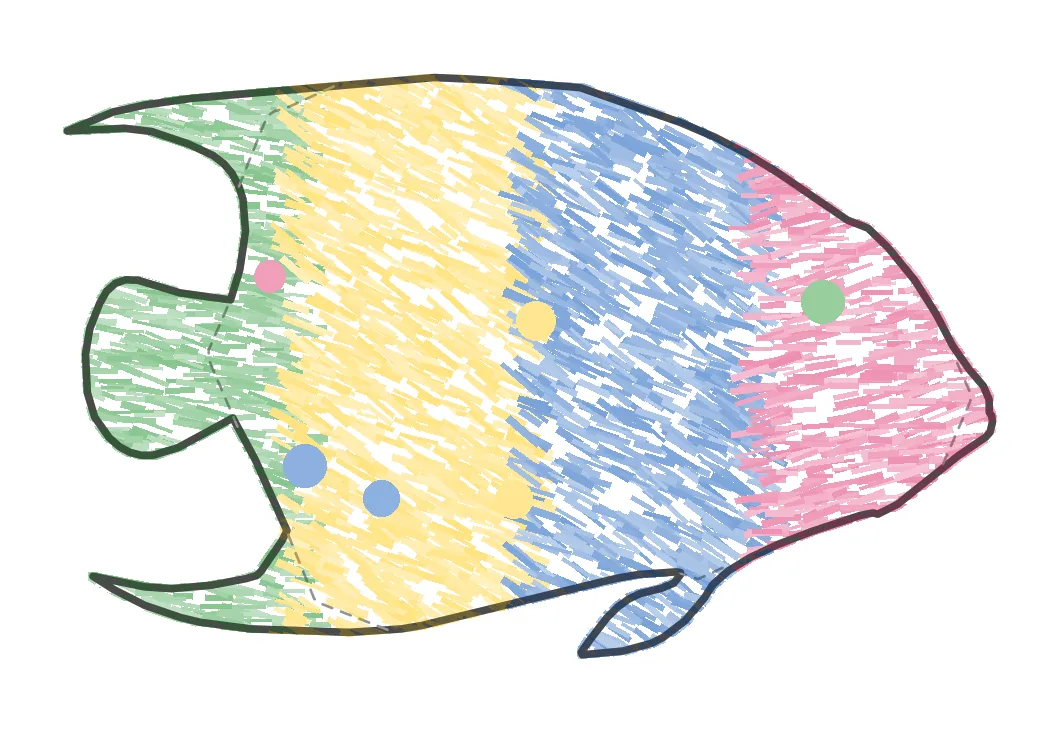
Colour a fish
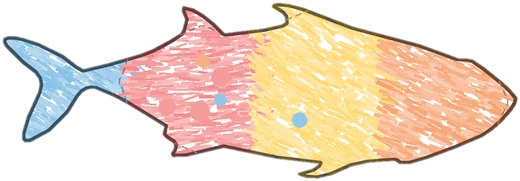
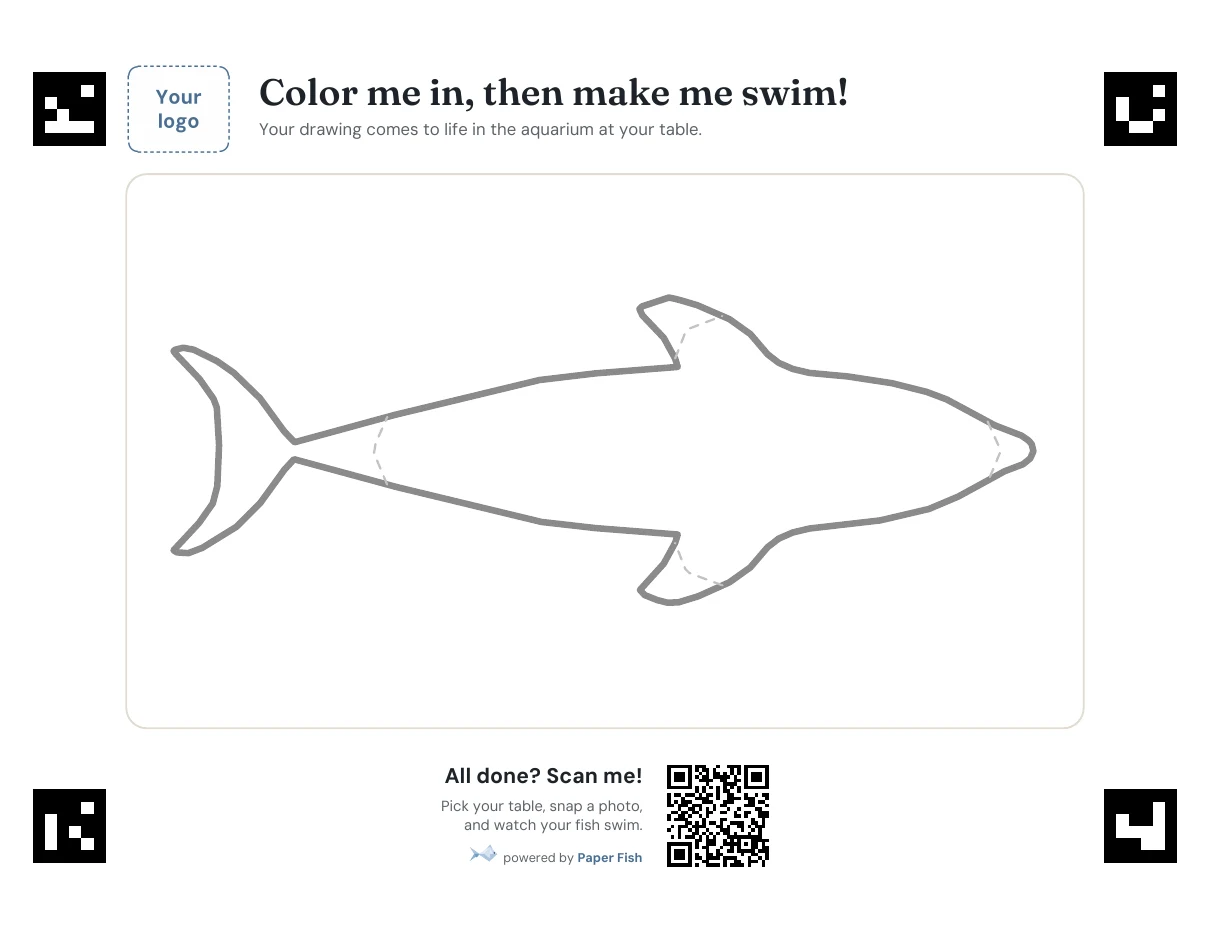
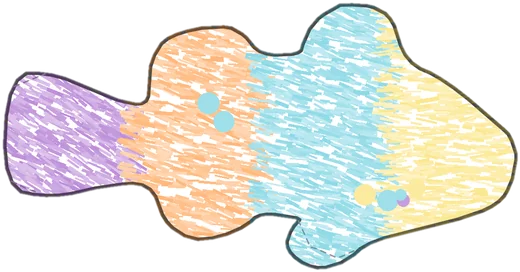
Every sheet is a real printed fish outline — a clownfish, a shark, a whale, a manta ray. Children colour it however they like. Outside the lines is fine.
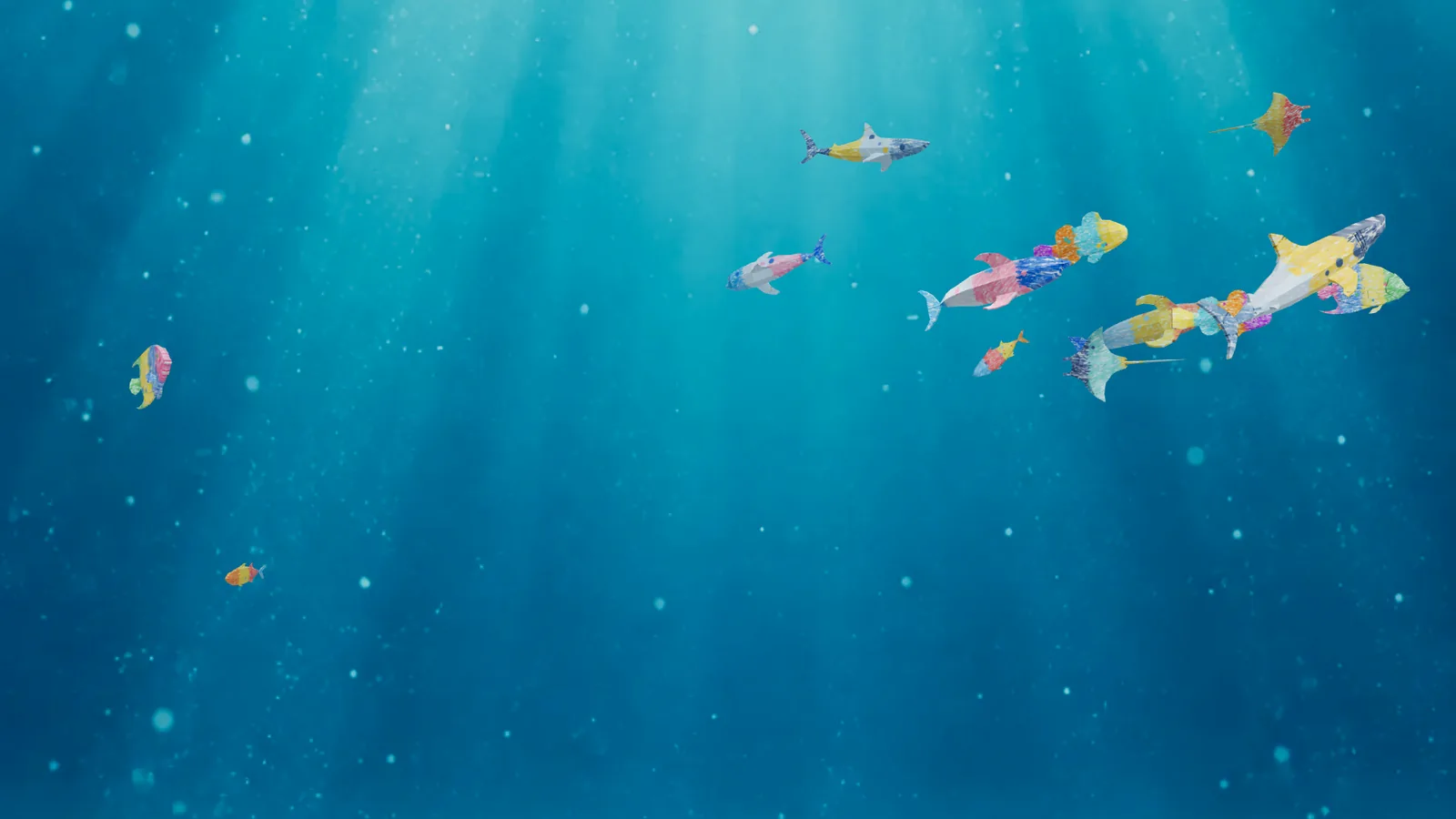
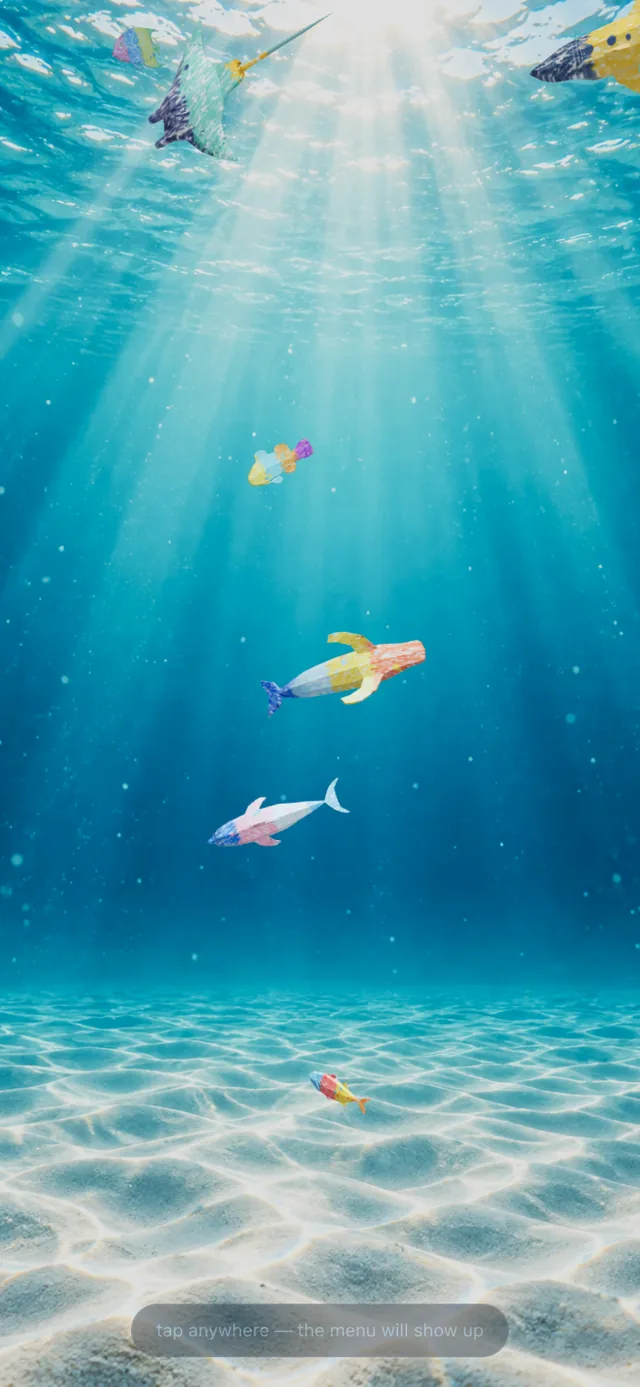
A child colours a printed fish, someone photographs it, and a moment later the drawing is alive — swimming in a 3D aquarium that belongs to their table.
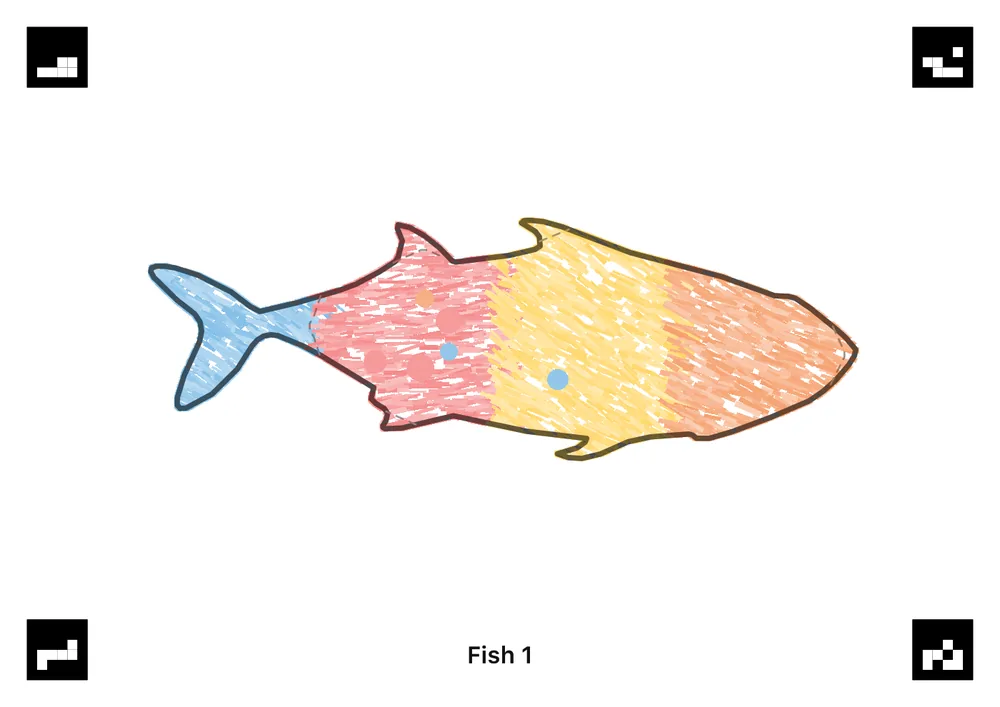
The whole thing happens at the table, with things that are already there: a sheet of paper, a few crayons, and the phone in somebody's pocket.
Every sheet is a real printed fish outline — a clownfish, a shark, a whale, a manta ray. Children colour it however they like. Outside the lines is fine.
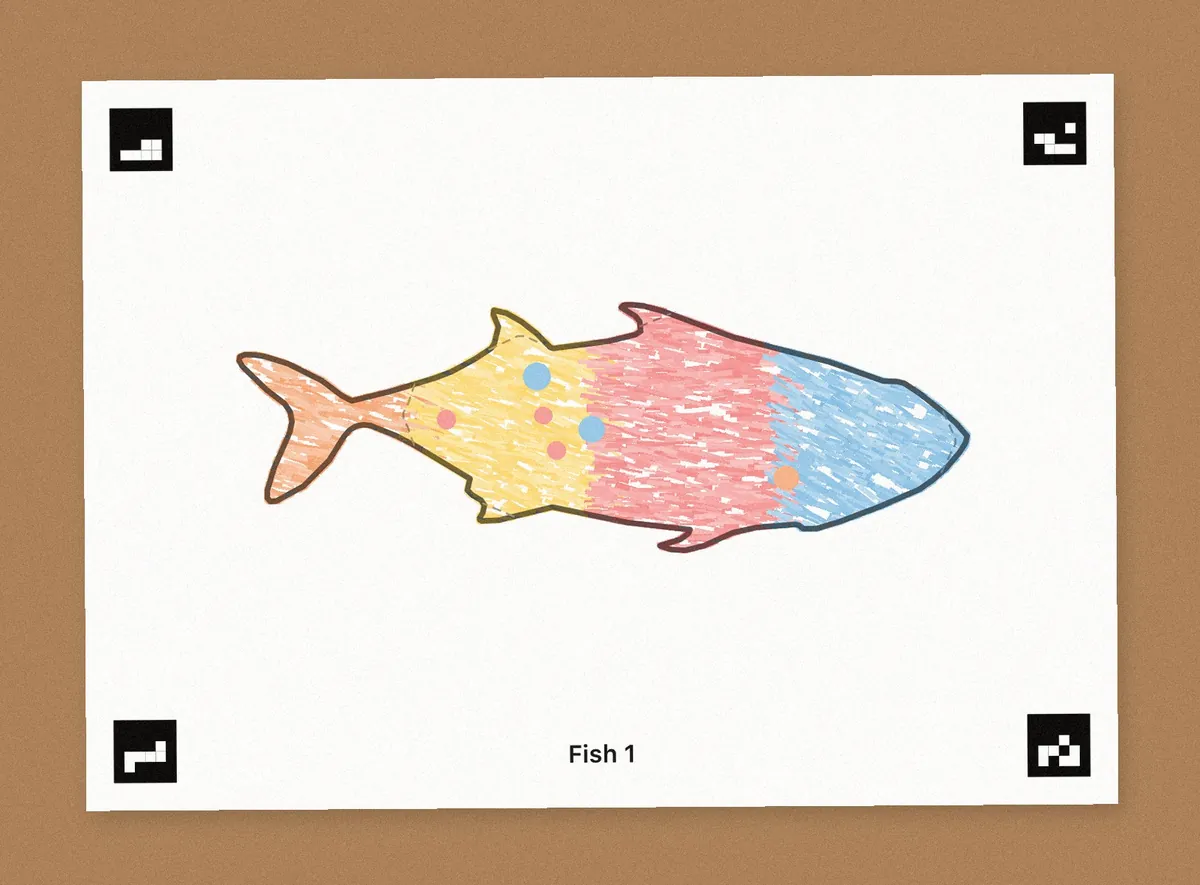
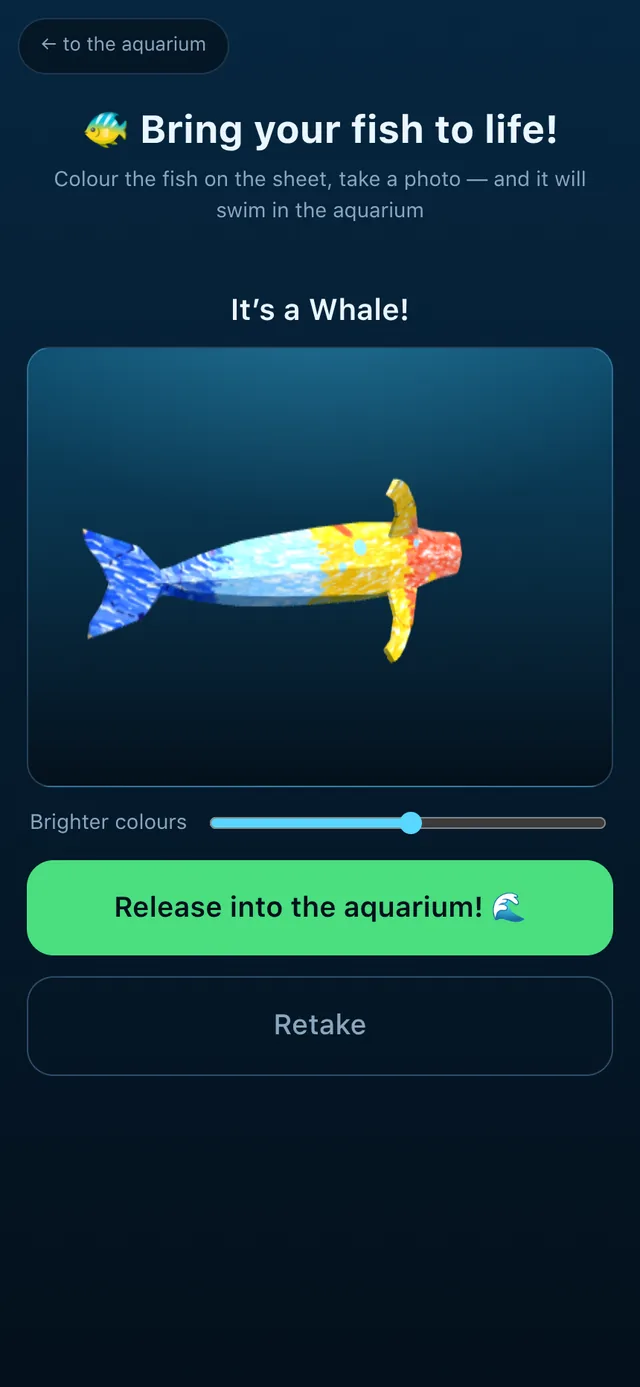
Scan the code on the table and point the camera at the sheet. The drawing is lifted off the paper and wrapped around a 3D fish, right there on the phone.
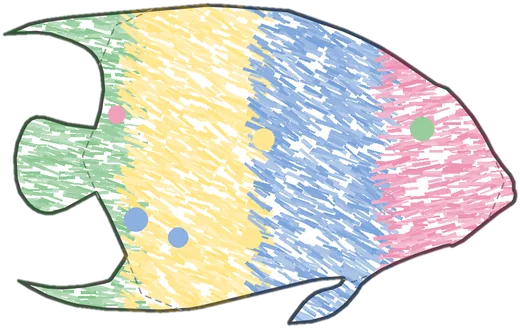
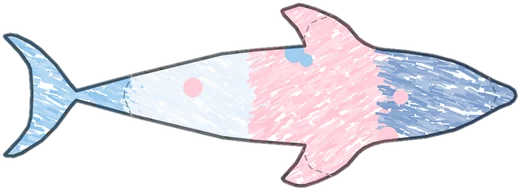
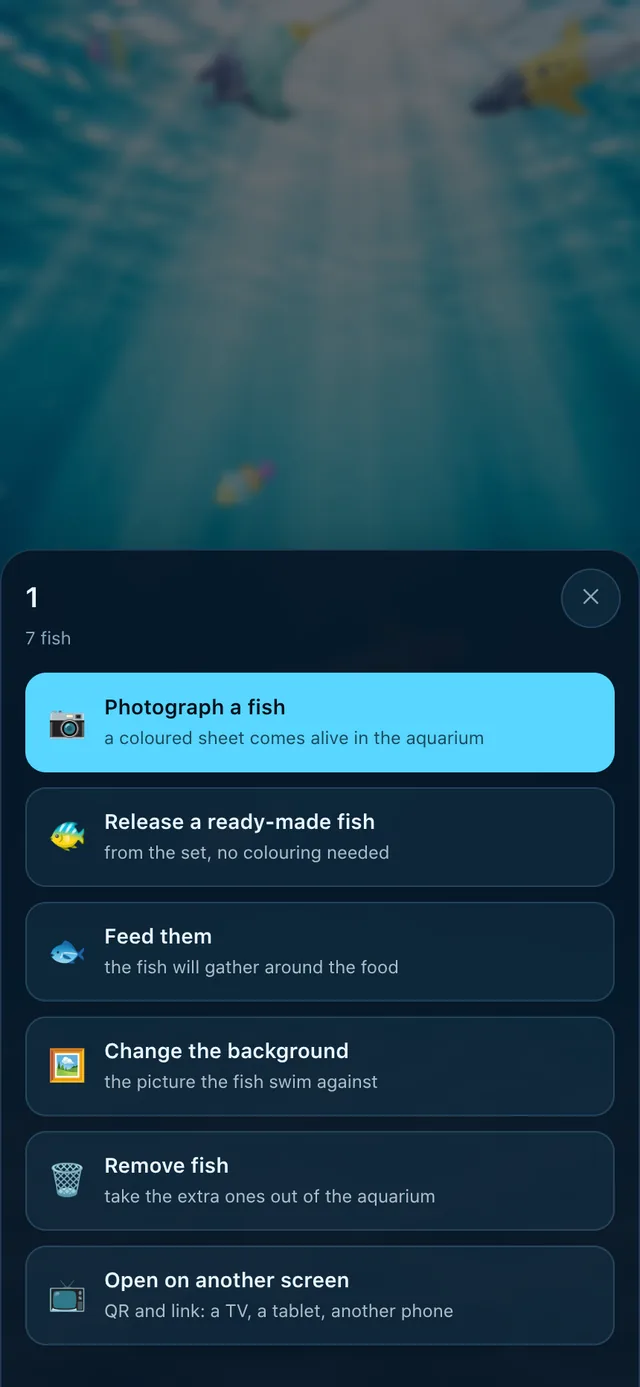
One tap and it swims off into the table's aquarium — on the phone, on a tablet propped against the wall, or on a big screen in the room.
Not a filter and not a sticker: a real 3D scene with light, depth and animated fish, and the child's colouring is the skin on the fish. It runs in the browser on any phone.
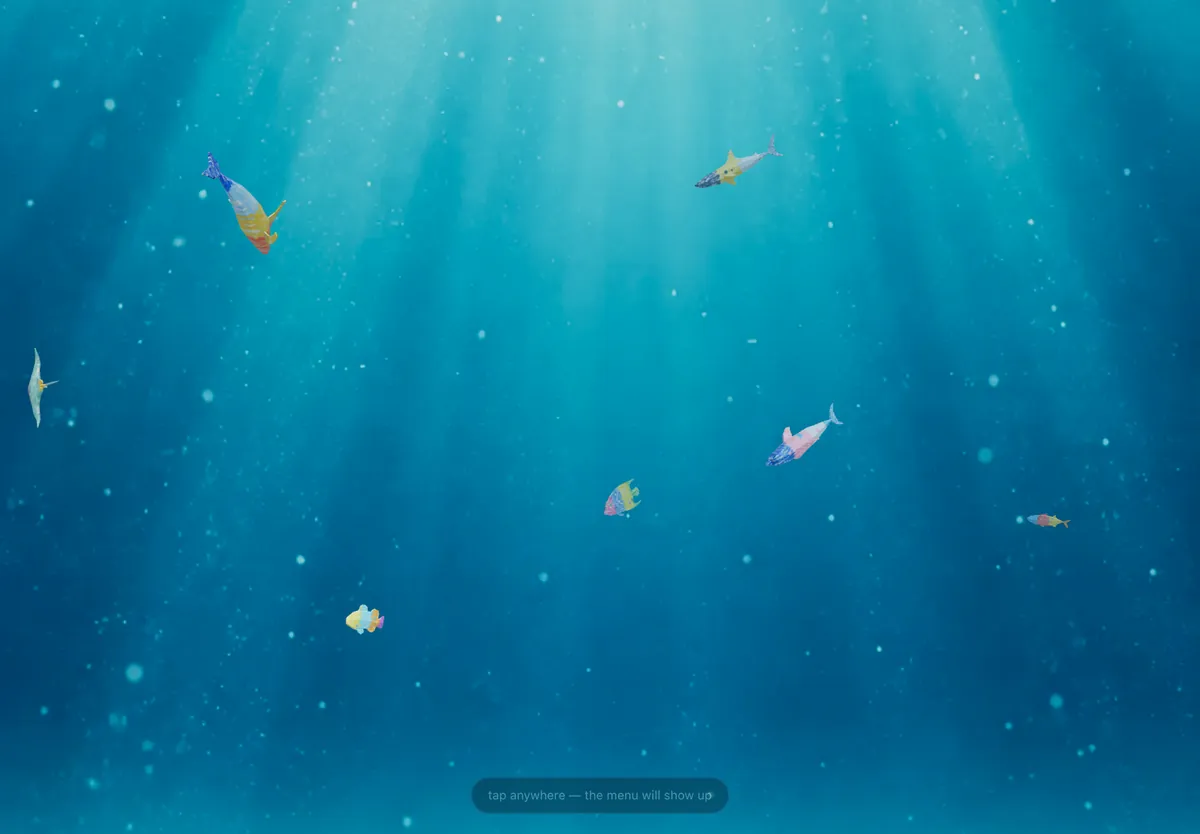
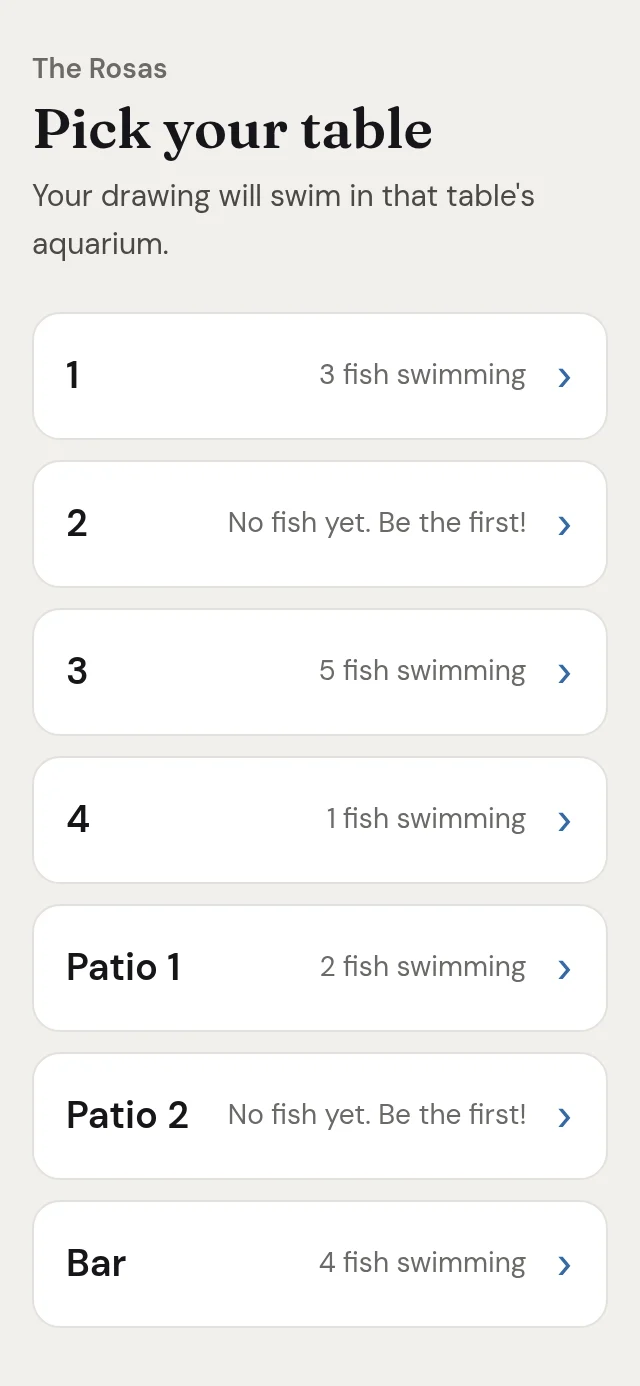
Every colouring sheet carries your logo and one code for the whole place. Scan it, pick your table, and that table's aquarium opens — nobody else's fish, no sign-up, no waiting. Sit down, colour, scan, swim.
When the party leaves, whoever clears the table taps it on your team's phone page. One tap, and the aquarium is empty and ready for the next family. Nothing carries over.
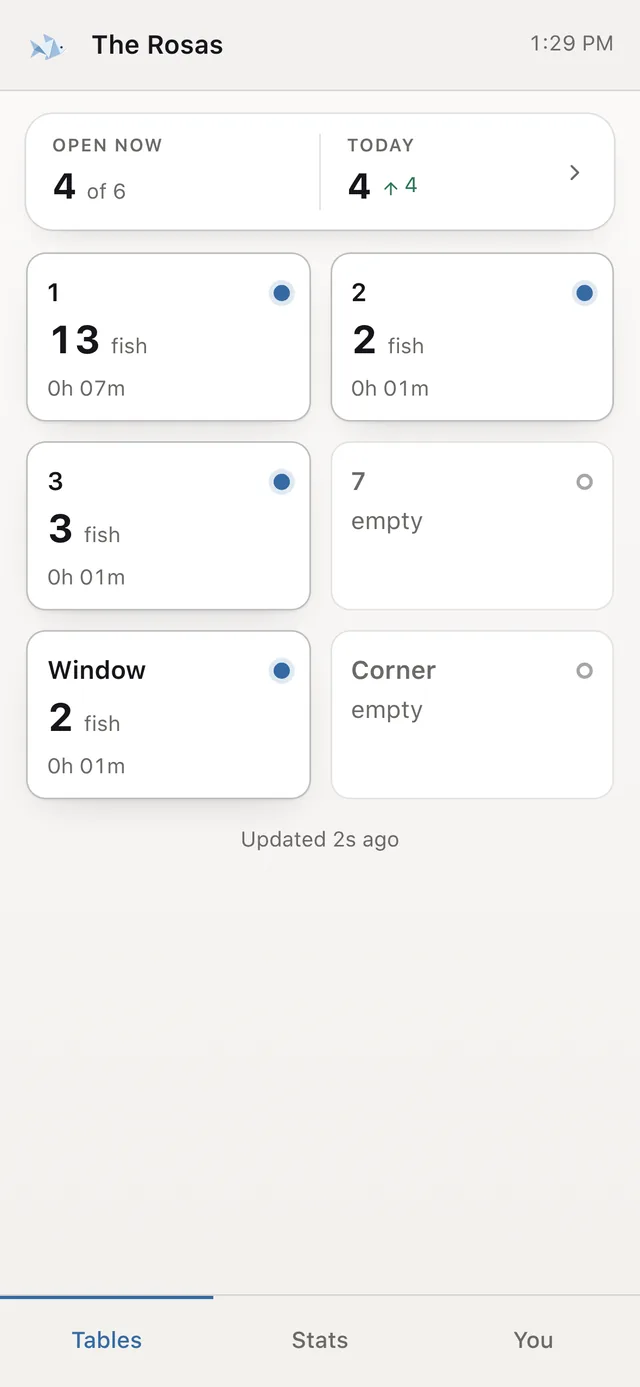
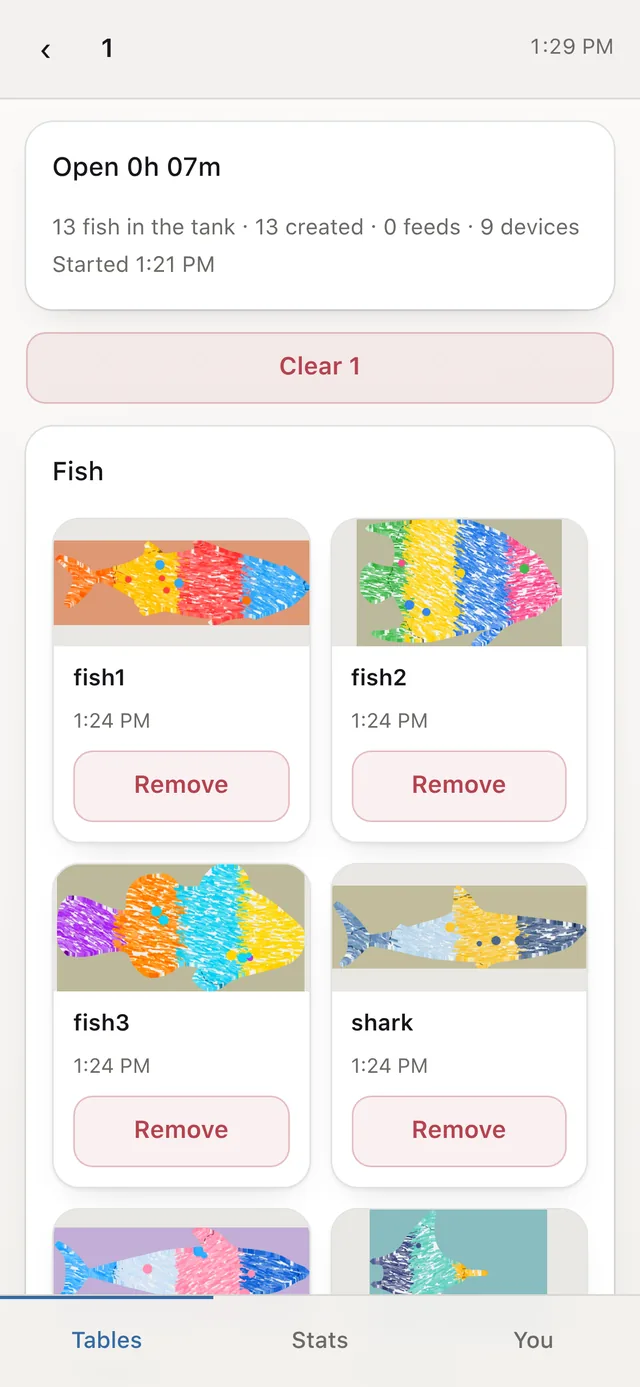
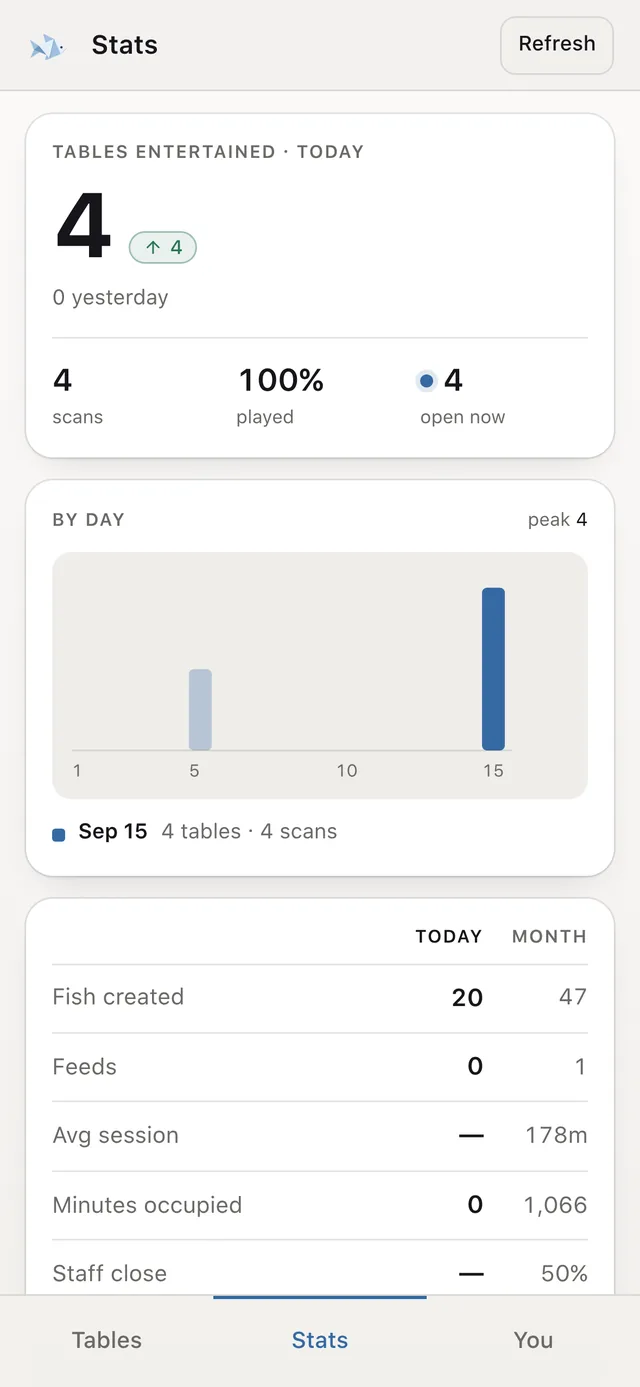
A console made for a phone held one-handed, standing up. Which tables are playing right now, how long they have been at it, and the numbers for today — no training needed.
It opens in the camera app that is already on the phone. Nothing to download, nothing to update.
No email, no phone number, no sign-up. Possession of the table's code is the whole key.
The photo is used to make the fish and for nothing else. There is nothing to track and nobody to profile.
A child's drawing lives in the aquarium while the family is there, and is deleted when the table is cleared for the next one.
A printed sheet marks a spot — a table, a corner, a waiting room. The screen it faces is the aquarium. If the place has no tables, the spot is wherever the crayons are.
You may have seen the idea as a museum installation or a shopping-centre attraction — a wall where children's drawings come to life. Paper Fish is that, on a screen you already own: nothing to build, nothing to hire, nothing to hand to the child but a crayon.
No. A sheet marks a spot, and the spot can be a table, a corner with a box of crayons, or a whole waiting room sharing one screen. Restaurants happen to have a lot of spots; a clinic has one.
A screen that can show a web page — a television with a browser, or any screen with a small computer behind it — a printer for the colouring sheets, and your guests' own phones. There is no hardware to buy and nothing to install on anything.
A grown-up points the phone's camera at the code on the sheet, takes a photo of the finished fish, and it swims onto the screen within a few seconds. No app, no account, no sign-up.
They stay in the aquarium while the party is there. When the spot is cleared — one tap on your team's phone page — the water is empty for the next family. Nothing is kept.
It is a service for places that host children, sold per venue. You get the printed sheets, the aquarium on your screen, and a phone page for your team that shows how every spot is doing. Parents and children get a fish.
We set things up in person and bring the paper with us. Leave an email address or a phone number and we will get back to you to arrange a time to come and show you — fish and all.
Usually within a day or two. In the meantime, the fish upstairs are still swimming.